


Posts in category 'Selling A Home'
Subscribe and receive email notifications of new blog posts.
 RSS Feed
- 2024 | 5 Posts
- 2023 | 37 Posts
- 2022 | 43 Posts
- 2021 | 31 Posts
- 2020 | 29 Posts
- 2019 | 17 Posts
- 2018 | 22 Posts
- 2017 | 14 Posts
- 2016 | 23 Posts
- 2015 | 12 Posts
- 2014 | 2 Posts
3
Is It a Good Idea to List My Home This Holiday Season?

13
You've Heard It Before, But Really... It Might Be Time To Sell While Appreciation Is Strong

If you're thinking about selling your house, now is a great time to make your move and here's why.
There's no doubt that today's housing market is changing, and everything we see right now indicates it is time to sell. Here's a look at why selling now is likely to drive the greatest return on your largest investment.
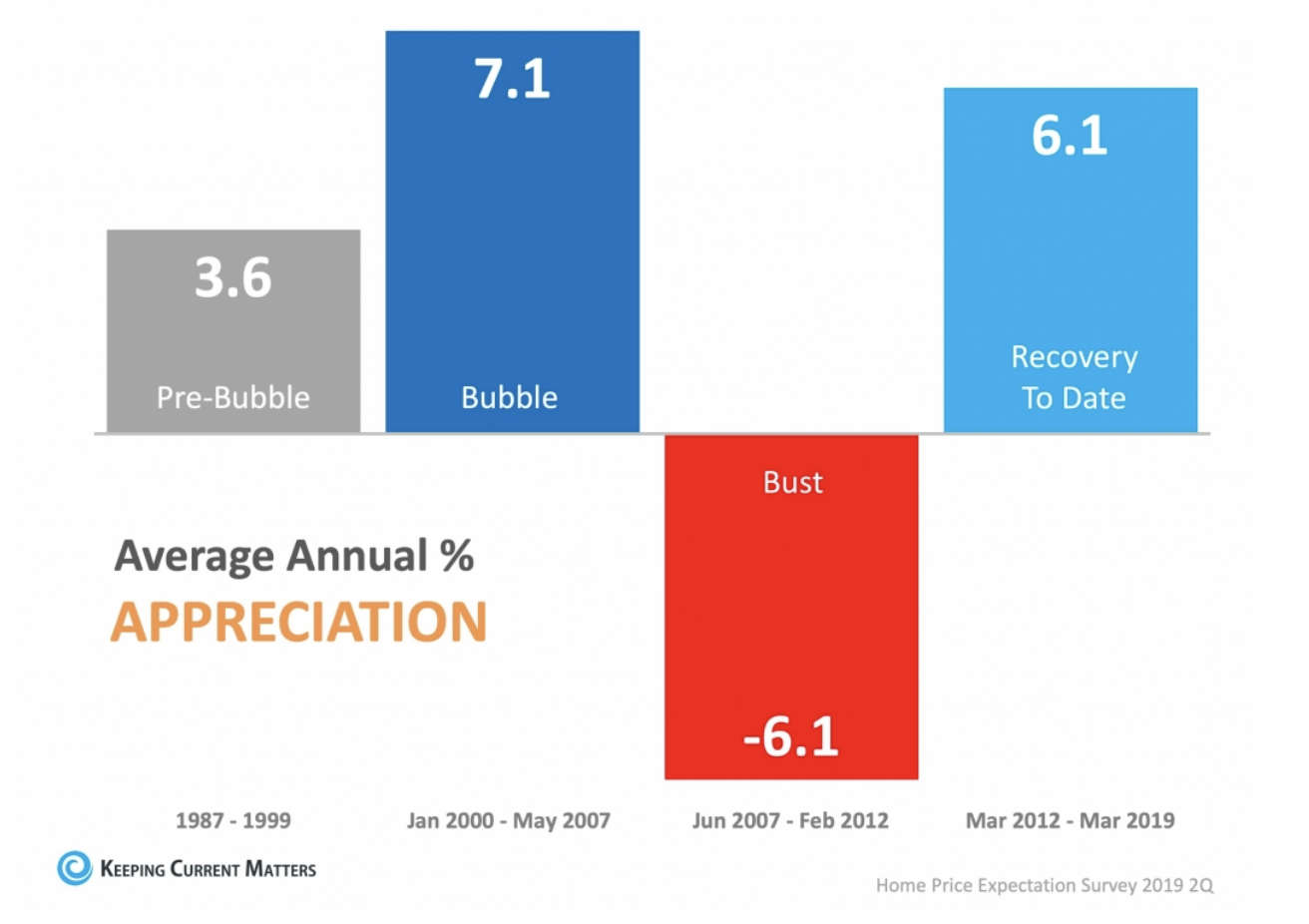
Home values have been appreciating for several years now, growing at a strong, steady, and impressive pace. In fact, the average annual appreciation rate since 2012 has nearly doubled the average rate from the more normal market of the 1990s (think: pre-bubble).
22
When is the Best Time to Sell Your Home?

According to a newly released study by ATTOM Data Solutions, selling your home in the month of May will net you an average of 5.9% above estimated market value for your home.
For the study, ATTOM performed an "analysis of 14.7 million home sales from 2011 to 2017" and found the average seller premium achieved for each month of the year. Below is a breakdown by month:

ATTOM even went a step further and broke their results down by day.
28
Homeowners: Your House Must Be Sold TWICE
In today's housing market, where supply is very low and demand is very high, home values are increasing rapidly. Many experts are projecting that home values could appreciate by another 5%+ over the next twelve months. One major challenge in such a market is the bank appraisal.
If prices are surging, it is difficult for appraisers to find adequate, comparable sales (similar houses in the neighborhood that recently closed) to defend the selling price when performing the appraisal for the bank.
Every month in their Home Price Perception Index (HPPI), Quicken Loans measures the disparity between what a homeowner who is seeking to refinance their home believes their house is worth, and an appraiser's evaluation of that same home.
Bill Banfield, Executive VP of Capital Markets at Quicken Loans urges anyone looking to buy or sell in today's market to remember the impact of this challenge:
"Based on the HPPI, it appears homeowners in...
8
The Green MLS: How it helps agents and their clients

The Multiple Listing Service (MLS) is a key part of any real estate transaction. For sellers, it's the foundational start for marketing their home, as its data feeds popular consumer sites like Zillow and Realtor.com. For buyers, it's where to find accurate information on a home and its features.
We expect to see certain features like square footage and the number of bedrooms in most listings, but as homes have changed so have the fields that represent them. Carbon monoxide detectors, for example, now have their own field in the MLS. It's the same for LED lighting, smart thermostats, foam insulation, solar panels, and more. Ten years ago features like these were rare or nonexistent, but not anymore.
The MLS has a special set of data fields called "Green MLS"